
Culture
Not Just the Rhyme

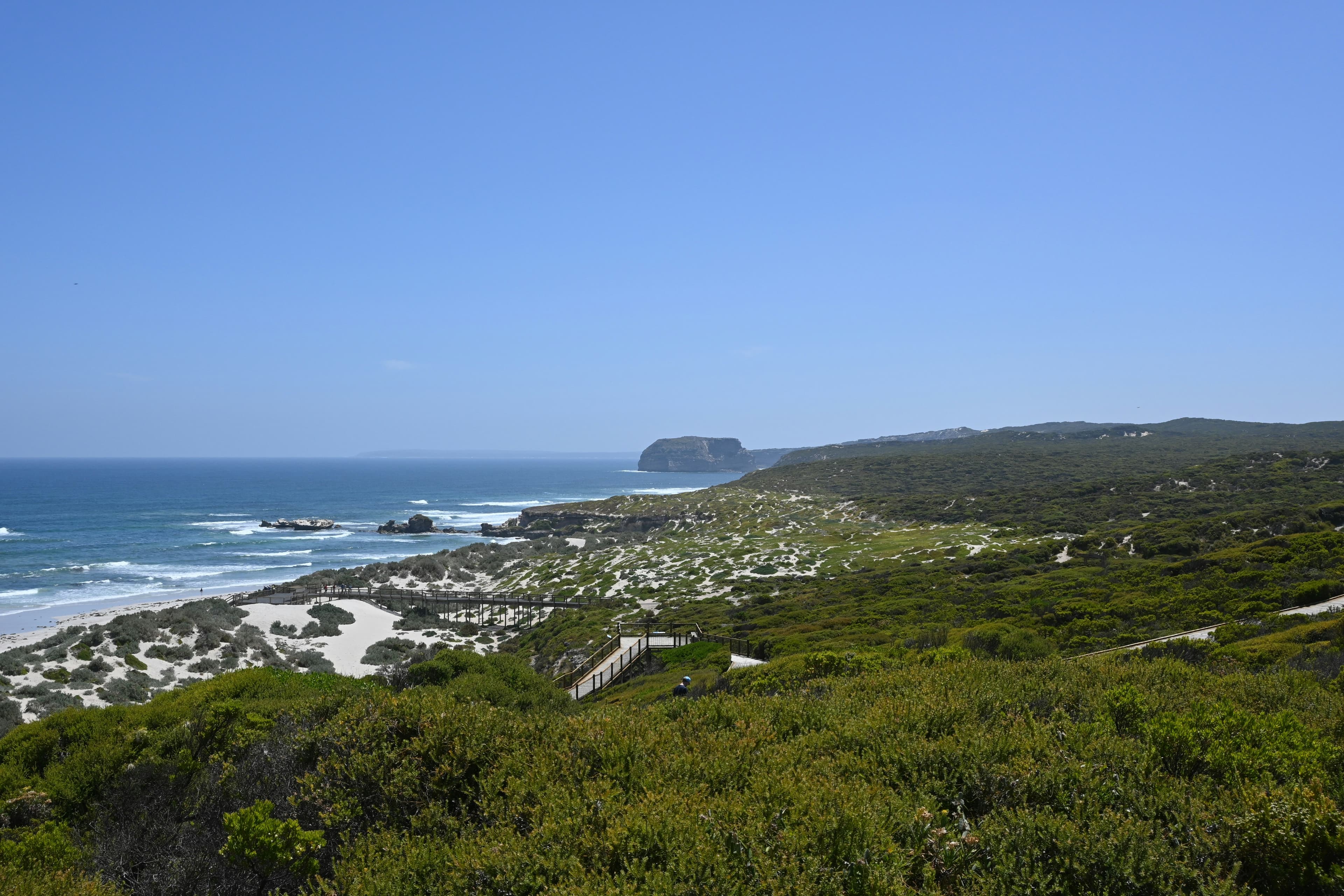
Along the eastern coastal towns of South Africa lies East London. Most of the city suburbs have waste collection days, weekdays that is—one of the many tasks the local municipality is bestowed with, and I still don’t know who has failed the people here. The local government, the people themselves, or both.
I will never forget the contrast within an environment as I witnessed on the way to this part of the world for the very first time.
A place blessed with natural beauty, lushness, the sea with all her moods, and a wonderful climate. A city of winding roads that also rise and fall, making the driving experiences here a thrill. And yet, consumerism waste lies almost everywhere and goes as far as the elements will take it! The only places one would never see such are the upper-super-rich class neighbourhoods, smallholding farms, and well… massive holding farms.
It will be no exaggeration to say I moved around with my mouth agape for at least a month after my arrival here. One consistent thought invaded my mind.
‘Don’t the people here know how lucky they are to be living in a land teeming with such life and beauty? Does anyone see how the rubbish mars the beautiful Earth here?’
I rented in one of the suburbs as I debated staying or leaving. The rubbish is tied up in big, black plastic bags and put out on the street curbs, and was it not a peculiar sight for me to see how anyone from young to old men opened these and rummaged through? If I saw any women, they’d be middle-aged or elderly—a sight that broke my heart and disturbed my peace for a considerable amount of time.
I was too afraid to ask what they were looking for, and in retrospect, I’m not sure why. My guess was food, but I was to later learn that they also sought recyclables: scrap metal to sell and anything they could make use of in their homes or dwellings as adornment. The refuse trucks tend to collect the rubbish after midday; by that time most of the rubbish is lying, if not flying, about. People could not be bothered to leave any spot they rummaged through as tidy as they had found it.
At first, in my naivety, I would periodically go out to tidy up, seething with anger, and tie the plastics again, sometimes waiting long enough to keep guard until the truck came by, but I realised I probably looked like a madwoman determined to fill a well with buckets of water.
My next puzzled question—why didn’t the city, businesses, civil groups, or any other authoritative body make use of these men and women? Come up with a coordinated plan and programme that would give people their dignity back. Keep the city clean, and recycling businesses happy or create some if they didn’t exist already? It took me a while to realise that no one simply cares. If anyone does…there seems to be a culture of despondency, of defeat that one can almost touch here.
I see people with two, three, or however many black bags they can carry slung across their bodies. The strongest shoulder takes one on the front, one on the back, tied together, the knot resting on the clavicle. The other shoulder bears an equal weight if they are strong enough or have had good finds, I guess. They look like they are dressed in black plastic. On rainy days they do dress in plastic, over their own, worn as protective clothing like a raincoat would.
One day sitting in my car, observing the world and its people. It dawned on me that I buy plastic bags. The Plastic Bearers litter the streets on collection day to salvage what they can in those bags. The look I see on their faces is one of defeat yet defiance. After all, no life will roll on the ground, curl up and wait for hunger to slowly call death. Will there?
In the aftermath and madness of COVID-19, * there are so many Plastic Bearers in this city now. I watched from my kitchen window the other day, a scene that moved me to tears. Two old women, walking slowly, bearing these plastics and the one stopped to take on the burden of the other. Slinging it across her shoulder like I would my handbag. I must admit that sometimes I don’t see these Plastic Bearers. How else would I keep sane?
I will say nothing of the informal settlements where most disenfranchised people of this country reside. Nothing could have prepared me for the filth, stinking running water along the streets, shacks literally on top of one another, the scrawny dogs and how as a driver, you can only negotiate your way through. In quite a literal sense, the cars wait for the activity there – not the people and certainly not the dogs!
The sight of so many faces with looks of what is strange to me, yet so scary, is a constant reminder of what went on for centuries here. Seeing that many people wake up from beneath the covers of concrete bus stops as I did on my early morning walks, threatened to push me into an abyss I fought hard to avoid. I drive to the beach on weekends. To walk along the safety of the sea for my own sanity, which has been rattled.
Throwing food into the black bags, though, is out of question for me. I wrap it up in clean plastic and leave it next to the big, black ones full of ‘waste’. I guess for any of them who’d get there first.
At times, you get someone who asks you for something to eat, and I ask them to wait. I put together a quick sandwich, fruit, or whatever I have on a plate. When I disappear from their worlds, I wonder who I do it for? Me? Them? Both of us… I don’t know.
When I saw t-shirts printed with the slogan; We the People in one of the middle-to-upper-class stores.
I distinctly recall thinking…
“Yeah, what about you?”
* I wrote this piece in 2020 and I arrived in East London two years prior to that. A follow up article is overdue for there is notable difference in the cleanliness of the City that I acknowledge. A lot of work awaits.
Tshego Khatri
A Mirror is a deeper response — 200 words, published alongside the article.
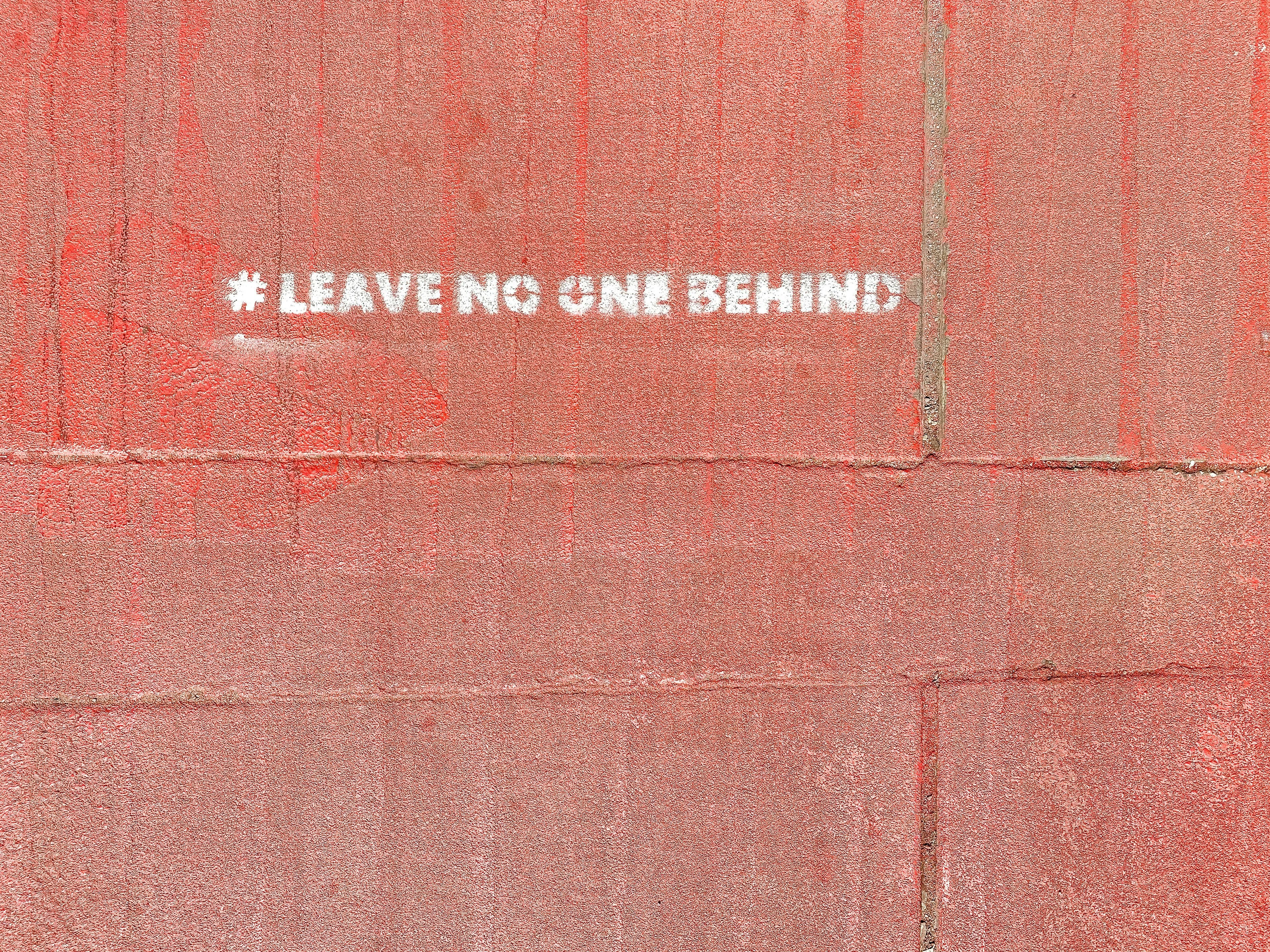
For each and every person I’ve met along this way that started as mere curiosity— May goodness, mercy and grace be with you always. - Tshego Khatri

"It is useful to know that autism often comes along with other things... not by itself." - Kate Currin