
Culture
Not Just the Rhyme

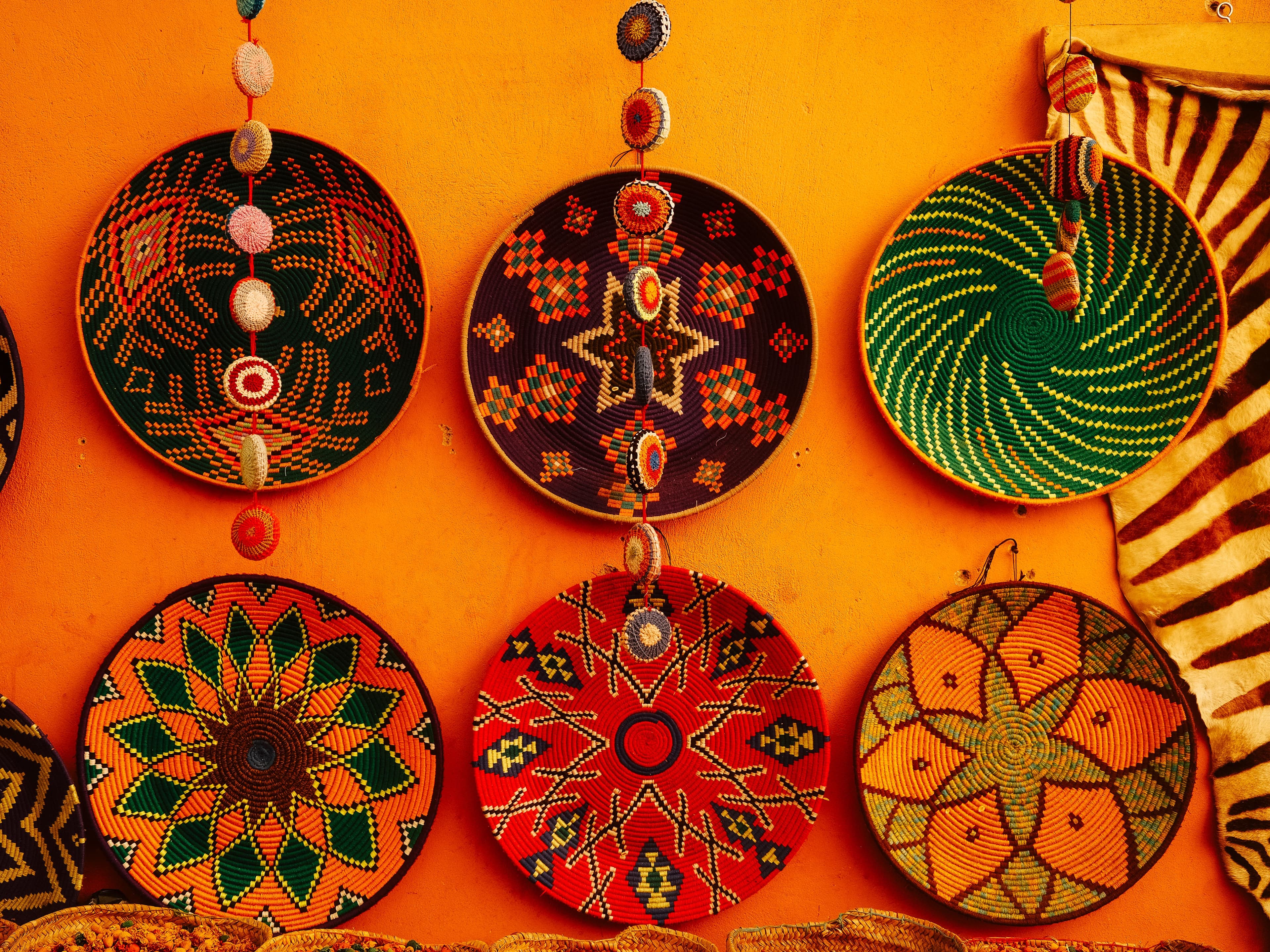
In Botswana, where I grew up, traditional baskets have always demanded a scrutinising look from me. The baskets are exquisite and elegant. They seem to also hold within them something to pass on from the ethereal.
I can’t trace the source of my fascination with the baskets from Ngamiland in any linear manner. I just remember the emotions from the first time I saw and touched one. So, by penning this, I’m letting loose something from the unknown deep. To satisfy a yearning to abstract meaning from the patterns, geometry and shapes that baskets present. To be clear, a lot of things and objects that the hands of human beings craft hold my attention and even awe. Sketches, pottery, fabric patterns, and beaded jewellery are just a few.
In what is now Eswatini, fifteen years ago, I saw beautifully coloured ones and marvelled at the dyeing techniques they clearly possessed. The ones I grew up seeing are only two-coloured with slight variations on the tone. It’s a marvel how every basket seems to take on a life of its own such that no two baskets are the same. Each basket will beckon with a whisper to its buyer or owner. I used to question why the two-kind-coloured baskets don’t end up being a bore. If you see one, you’ve seen them all, kind of thing. It was the flower pattern that helped me get to the answer. Flowers are not boring, but then flowers are not always in bloom. There’s no factory, as far as I know, that mechanically churns out these baskets.
Since my adolescent years, I’ve had intermittent seductive thoughts of disappearing from the world for up to a year at the lengthiest for the sole purpose of learning something in complete immersion and abandonment. The first was thinking of joining the Catholic nuns at a monastery, but the drab colours of their uniform were quick enough a reminder of death by boredom. Then came the Tai Chi phase, followed by pottery. It was the baskets that very nearly had me packing up to go deep into one of the scattered areas around the delta villages of the Okavango region. Where the old Hambukushu women would’ve passed on their ancient, beautiful craft of coiled baskets to me. Fear is the only thing that stopped me from following that dream. I’m now mature enough to recognise it for what it was.
I’d have vehemently defended my reasons for not answering the deep-seated urge to learn how to weave baskets with cover up theories. Upon touch, my hands have a tingling as I trace the patterns and the texture of the grass from which they’re made. I wanted to carve a place for myself within the community of the woman folk weavers, because they were in some communion that seemed to hum my name too.
I can't help wondering why crafts like basketry, which have been practised by people living in these parts of the world for hundreds if not thousands of years are not taught in schools? Why did I have to learn crochet? I could’ve continued a custom that something in my DNA would probably have recognised. But the answer to that is as complex as Africa is. It's layered and has very much to do with the nature of human migrations and the interplay with the environment. This blog will have something of that history in the not-so-distant future.
Baskets belong in the realm of symbols for me. Because it’s my soul, for lack of a better word, that recognises their presence in all its forms for me. They’re a symbol of the constant note of life. How it coils and weaves and twists and dyes and loops. Pretty much like my life is just an interlude, of a song and dance that go on and on.
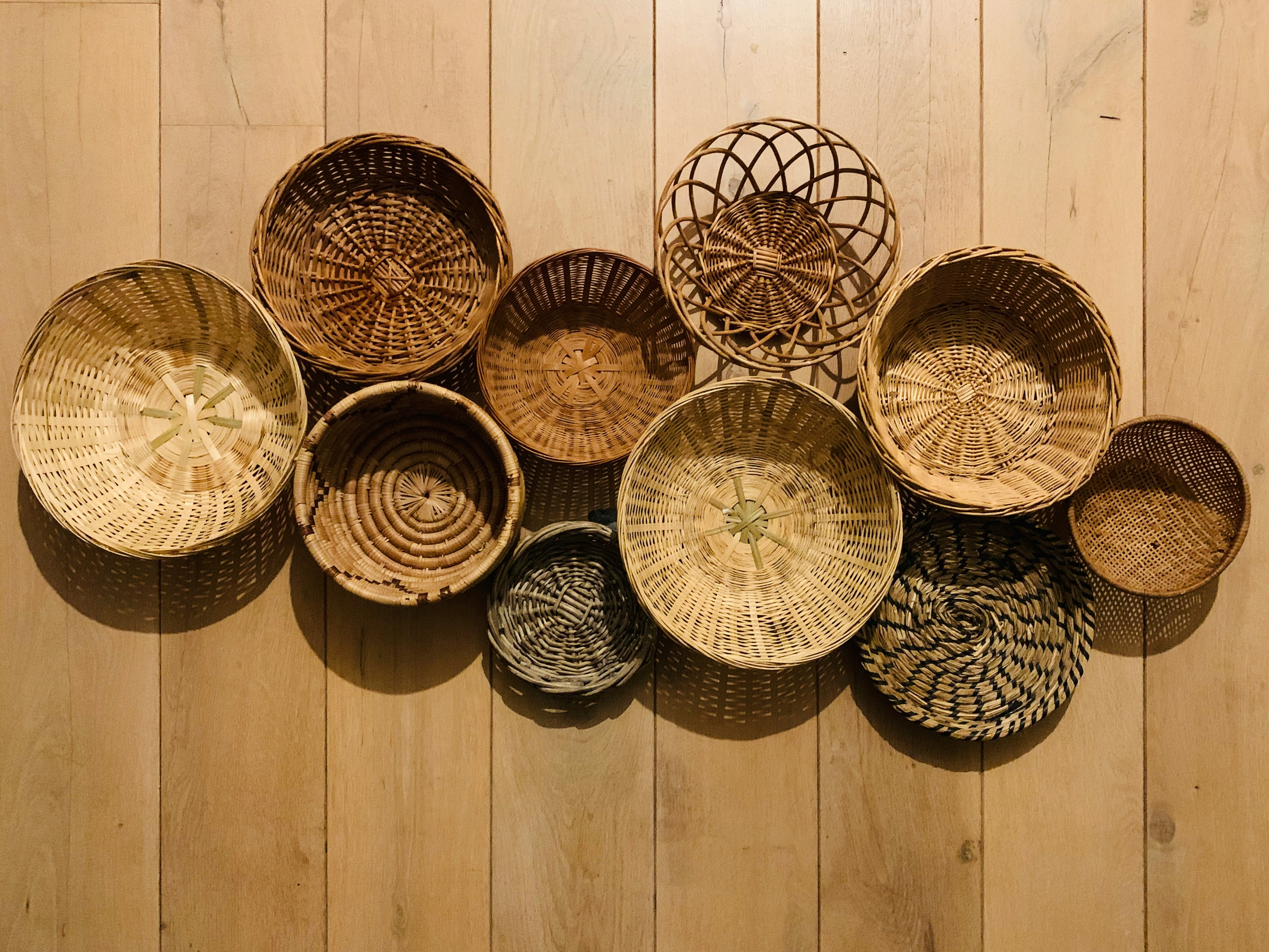
Photo Courtesy of-michelle-garres-OrBjpzQ9i2A-unsplash-1.jpg- Many Thanks!
Tshego Khatri
A Mirror is a deeper response — 200 words, published alongside the article.
For each and every person I’ve met along this way that started as mere curiosity— May goodness, mercy and grace be with you always. - Tshego Khatri

"It is useful to know that autism often comes along with other things... not by itself." - Kate Currin