
People
YOU, THE AQUARIUM & THE OCEAN WORK FOR LIFE
Marine Ecosystems in The Cycle of Life
"I wish people could grasp how much we affect marine life with everything we do."
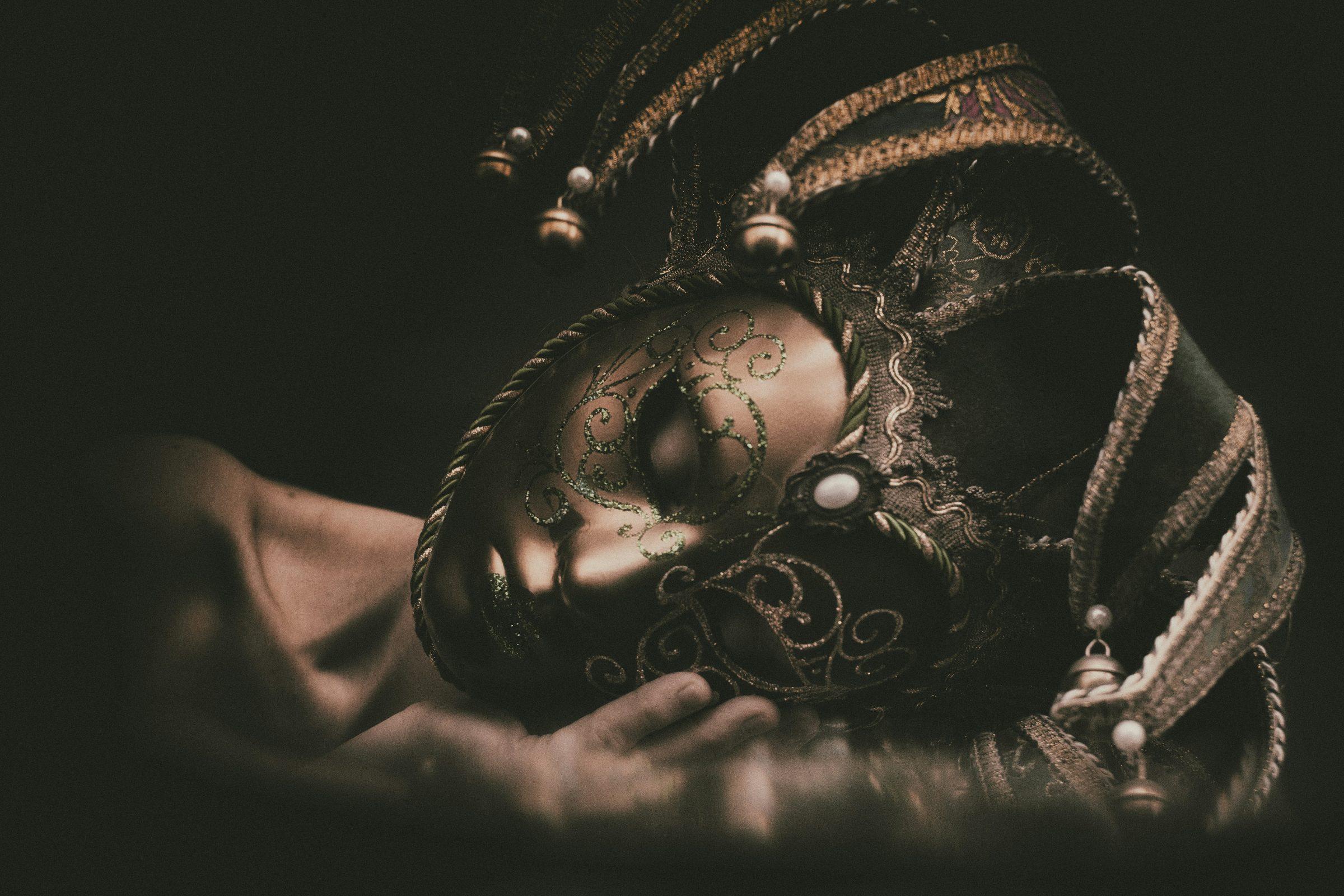
Photo: lina-chernovolova-unsplash- Many Thanks!

“We wear the mask that grins and lies,
It hides our cheeks and shades our eyes, —
This debt we pay to human guile;
With torn and bleeding hearts we smile”
― Paul Laurence Dunbar, The Complete Poems of Paul Laurence Dunbar
To a greater or lesser extent, most of us wear masks when in the company of others. It is very seldom that we show our true colours or portray ourselves as we really are or feel, when we are in the glare of public interaction. Our private and public personas are more often than not, very different in many ways, and ‘what you see’ is very seldom ‘what you get’ when the masquerade ends or the mask slips. In effect, things are rarely what they appear to be.
It seems that for most of us, the socialisation process consists of a series of consistent: “What will people think?”, “You need to behave yourself “, “Tidy the house for our visitors”, “You must make a good impression” and many other exhortations to be somebody else to conform to social conventions. The school system, generally, also plays a major role in strongly encouraging students to fit into prescribed patterns of behaviour, being good ambassadors for the school, and discourages unconventional thinking and behaviour.
Clearly, society requires the good order, comfort and predictably that conformism brings so that stability is easier to maintain ... not necessarily a bad thing. So, there appears to be a strong supporting role for those who wear masks and masquerade to nourish and support such structures of conformism.
Another dimension of masquerading manifests itself in alarming exaggeration and, sometimes, blatant lies to impress or convince listeners. People are known to mask the truth when it is to their advantage and they can ‘steal a march’ on competitors.
But is there a cost to those masqueraders ... are they stifled or affected by the masks they wear? Three views have powerful relevance:
“Don’t you, when strangers and friends come to call, straighten the cushions, kick the books under the bed and put away the letter you were writing? How many of us want any of us to see us as we really are? Isn’t the mirror hostile enough?”
― Jeanette Winterson
“No man, for any considerable period, can wear one face to himself and another to the multitude, without finally getting bewildered as to which may be the true.”
― Nathaniel Hawthorne, The Scarlet Letter
“We all wear masks, and the time comes when we cannot remove them without removing some of our own skin.”
― André Berthiaume
It seems that the pressures of society and our inherent need to be accepted, to please, impress or outdo others, will ensure that masks and masquerading continue to characterise the machinations of human existence. But very importantly, we may be well-advised to be circumspect about the extent to which we wear those masks. Conventional wisdom, and the views of psychologists and psychiatrists, would probably encourage people to try to be truer to themselves and to lose the shackles of the mask. The words of William Shakespeare bear relevance:
“This above all: to thine own self be true, And it must follow, as the night the day, Thou canst not then be false to any man”.
Curtailing our universal masquerading would arguably lesson stress, improve the quality of our lives and simplify our interactions with our fellow humans. ‘What you see is what you get’ would take on a healthy meaning that would more accurately describe us if we remained more naturally ourselves. Shedding many of the masks on a regular basis would invariably lift a weight from our shoulders, and we would be who we actually are ... and be much happier for it.
Perhaps the final quote constitutes a sobering awareness call:
“Don’t you know that a midnight hour comes when everyone has to take off his mask? Do you think life always lets itself be trifled with? Do you think you can sneak off a little before midnight to escape this?”
― Søren Kierkegaard
May the ‘shoe’ of Cinderella never fit the ‘ugly sisters’ and may we all be whom we are meant to be … more often!
RM. Hewett
Moved by this story? Share it with someone who needs it.
Leave a Mirror: your response to this piece, a few lines or a few paragraphs. Mirrors we approve are published alongside the article.
Marine Ecosystems in The Cycle of Life
"I wish people could grasp how much we affect marine life with everything we do."


“These often unsung heroes understand ... that poverty, disease and famine are just as deadly and destructive as earthquakes, hurricanes and tsunamis."